When you’re buying a home, the electrical panel probably isn’t the first thing that catches your attention. You’re more likely to notice the kitchen, basement, backyard, or whether your furniture will fit in the living room.
But during a home inspection, that metal box in the basement or garage can suddenly become a pretty important part of the conversation.
This is especially true when buying an older home in Omaha, Bellevue, Papillion, or the surrounding communities. Depending on the age of the house, you may encounter an older electrical panel, outdated wiring, a smaller electrical service, or equipment that could require additional evaluation.
An older panel doesn’t automatically mean you shouldn’t buy the house. It does mean you should understand what you have, what your inspector is seeing, and whether an electrician should take a closer look.
Table of Contents
What Does an Electrical Panel Actually Do?
Your electrical panel is essentially the distribution center for electricity entering your home.
Power comes into the house through the electrical service and is divided into individual circuits that supply your outlets, lights, appliances, HVAC equipment, and other electrical systems.
Circuit breakers aren’t just switches. They’re safety devices designed to interrupt power when a circuit experiences an overload or other electrical fault.
That’s why the condition and type of electrical panel can be an important consideration during a home purchase.
Why Electrical Panels Matter When Buying an Older Omaha Home
Omaha has homes spanning well over a century of construction.
A newer home may have a modern electrical system designed around today’s appliances and electrical demands. An older home may have been constructed when homeowners used considerably less electricity.
Over the years, these homes may have received additions, remodeled kitchens, finished basements, new HVAC equipment, garages, hot tubs, or other improvements.
Sometimes the electrical system was upgraded along the way.
Sometimes it wasn’t.
That’s one reason I recommend paying attention not only to the age of the house but also to the history and condition of its electrical system.
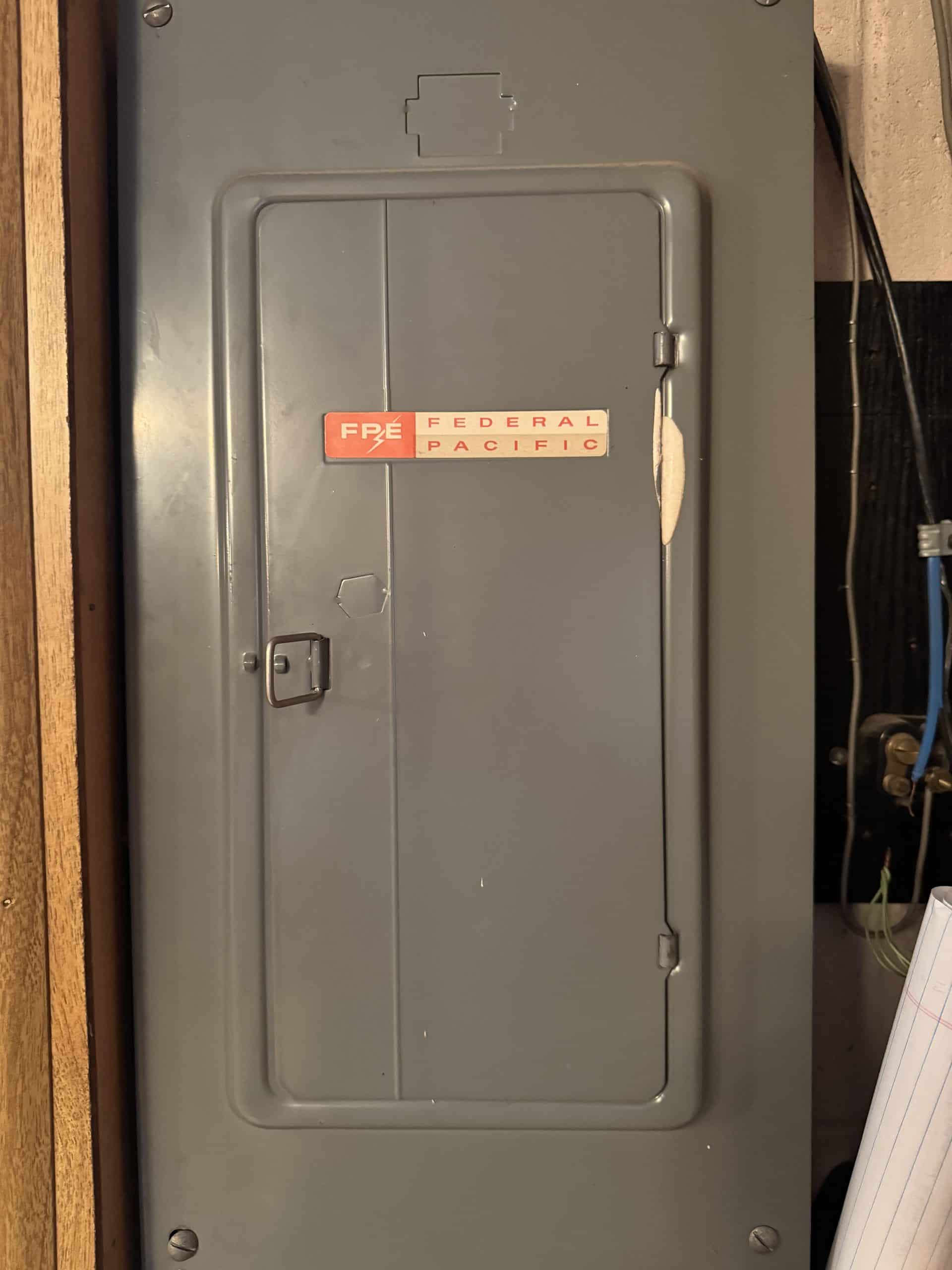
Federal Pacific Electrical Panels in Omaha Homes
One panel name that can attract attention during an inspection is Federal Pacific Electric, particularly panels using Stab-Lok breakers.
Federal Pacific panels were installed in many American homes decades ago. Concerns have been raised over the ability of certain Stab-Lok breakers to operate properly under overload conditions.
The U.S. Consumer Product Safety Commission investigated Federal Pacific Stab-Lok breakers beginning in 1980. The agency ultimately closed its investigation without determining that the breakers presented a serious risk of injury, while noting that many breakers reported by the manufacturer did not fully comply with UL calibration requirements.
Because of the history surrounding these panels, buyers who encounter one should consider having the system evaluated by a qualified electrician rather than assuming that an older panel is functioning properly simply because the electricity currently works.
Other Older Electrical Panels Buyers May Encounter
Federal Pacific isn’t the only name that may get additional attention during a home inspection. Buyers of older Omaha homes may also encounter Zinsco, Sylvania-Zinsco, Pushmatic/Bulldog, or Challenger electrical equipment.
Zinsco and Sylvania-Zinsco Panels
Zinsco panels, including some panels labeled Sylvania or GTE-Sylvania, have longstanding concerns involving the connection between the breakers and the panel’s bus bars. Overheating and damage can occur at these connections, and breakers may not always operate as intended.
If an inspector identifies a Zinsco-style panel, having a qualified electrician evaluate it is a good next step.
Pushmatic or Bulldog Panels
Pushmatic panels are easy to recognize because they use push-button breakers instead of the toggle-style breakers found in most modern panels.
These panels are now several decades old and can present issues related to aging breaker mechanisms, limited capacity, and the availability of replacement components. The presence of a Pushmatic panel doesn’t tell you everything about the home’s electrical system, but it’s another older panel type worth having professionally evaluated.
Challenger Panels
Challenger electrical equipment can also warrant a closer look. It’s important not to assume that every Challenger panel was recalled. A 1988 replacement program involved certain Challenger GFCI breakers manufactured during a specific period rather than every panel carrying the Challenger name.
Because several different designs and generations of equipment can carry the Challenger name, identification matters. If a home has a Challenger panel or breakers, an electrician can determine exactly what equipment is installed and whether repairs or replacement should be considered.
The Brand Isn’t the Only Thing That Matters
Seeing an older brand name shouldn’t be the end of the evaluation. The specific model, breakers, condition, installation, modifications, electrical load, and overall age of the system all matter.
Regardless of the brand, evidence of overheating, corrosion, damaged components, improper modifications, or breakers that aren’t compatible with the panel deserves further investigation by a qualified electrician.
What About Fuse Boxes?
Not every older Omaha home has circuit breakers.
Some still have traditional fuse boxes.
A fuse system isn’t automatically defective simply because it’s old. However, its presence can tell you something about the age of the electrical system and may warrant additional investigation.
You also want to make sure the home’s electrical system hasn’t been modified improperly over the years.
For buyers, the bigger question usually isn’t simply:
“Does this house have fuses?”
It’s:
“What is the overall condition and capacity of this home’s electrical system?”
What About Knob-and-Tube and Aluminum Wiring?
The electrical panel isn’t the only part of an older home’s electrical system worth paying attention to. The type of wiring running throughout the house can be just as important.
Knob-and-Tube Wiring
If you’re buying an older home in Omaha, particularly one built in the early 1900s, you may encounter knob-and-tube wiring. This older wiring method uses individual insulated wires supported by ceramic knobs and tubes rather than the bundled electrical cable commonly used today.
The presence of knob-and-tube wiring doesn’t automatically mean the entire house needs to be rewired. However, its age, condition, previous modifications, lack of a grounding conductor, and interaction with insulation or newer electrical work can all be important considerations.
It can also create concerns with homeowners insurance. If knob-and-tube wiring is discovered during an inspection, I recommend having a qualified electrician determine how much remains in the home and evaluate its condition. It’s also a good idea to discuss it with your insurance agent before closing.
What Does It Mean When a Home Has Ungrounded Outlets?
Older homes may have electrical circuits that were installed before modern grounding requirements became standard. One of the easiest clues is a two-prong outlet, although even a three-prong outlet can sometimes be connected to an older circuit without an equipment grounding conductor.
The grounding system provides an additional path for electrical current during certain faults and is an important part of modern electrical safety. An ungrounded circuit doesn’t necessarily mean the home’s entire electrical system needs to be replaced, but it’s something worth understanding before you buy.
You may also see GFCI-protected outlets installed on older ungrounded circuits. When installed correctly and properly labeled, the National Electrical Code allows GFCI protection in certain situations as a replacement for an ungrounded receptacle. However, GFCI protection does not create an equipment ground.
That’s an important distinction. A three-prong outlet doesn’t automatically mean the circuit behind it is grounded.
If a home inspection identifies ungrounded outlets, improperly replaced three-prong receptacles, or other grounding concerns, a qualified electrician can determine how the system is wired and explain your options. Depending on the home and your plans for it, those options could range from properly protecting existing circuits to installing new grounded wiring.
Aluminum Wiring
Another electrical system buyers may encounter is aluminum branch-circuit wiring, particularly in homes built or remodeled during the 1960s and 1970s.
Aluminum itself is still used for certain electrical applications today. The concern in older homes is primarily with single-strand aluminum branch wiring used for circuits serving outlets, switches, lights, and other fixtures.
Connections involving this older wiring can require special attention because aluminum behaves differently than copper. Improper connections or devices that aren’t designed for aluminum wiring can contribute to overheating at connection points.
Finding aluminum wiring doesn’t necessarily mean the entire house must be rewired. A qualified electrician can evaluate the system and explain whether repairs, approved connection methods, compatible devices, or more extensive upgrades are appropriate.
Don’t Assume New Breakers Mean New Wiring
This is an especially important point when looking at a remodeled older home.
A house may have a newer electrical panel while still containing older wiring behind the walls. Replacing the panel doesn’t necessarily mean the home’s entire electrical system was replaced.
That’s why I like to look beyond the age of the panel when helping buyers evaluate an older Omaha home. If the inspection identifies knob-and-tube wiring, aluminum branch wiring, older ungrounded circuits, or evidence of multiple generations of electrical work, getting an electrician involved can give you a much clearer picture of what you’re actually buying.
60-Amp, 100-Amp, 150-Amp and 200-Amp Service
Another thing you may hear during an inspection is the home’s electrical service size.
Older homes may have smaller electrical services than newer construction.
Modern homes can have significant electrical demands from central air conditioning, electric ranges, dryers, multiple refrigerators, entertainment systems, home offices, EV chargers, hot tubs, and other equipment.
A smaller service isn’t necessarily defective, but it can become an important consideration if you’re planning future improvements.
If you’re buying a house and already know you want to add a hot tub, workshop equipment, electric appliances, an EV charger, or other major electrical loads, it’s worth understanding the home’s available electrical capacity before you buy.
Planning to Install an EV Charger?
If you own an electric vehicle—or think you might in the future—the home’s electrical system is worth considering before you buy.
A Level 2 EV charger can represent a significant additional electrical load. That doesn’t automatically mean a home with 100-amp service needs to be upgraded to 200 amps, but an electrician should evaluate the home’s existing electrical demand and available panel capacity before a charger is installed.
You’ll also want to consider where the electrical panel is located in relation to the garage or parking area. Even when the panel has adequate capacity, the distance and difficulty of running a new circuit can affect installation cost.
If the existing electrical service doesn’t have enough capacity, there may be several options depending on the home, including a service upgrade or certain energy-management or load-management solutions.
For buyers who know an EV charger is in their future, asking about electrical capacity before closing can help prevent an unexpected expense after moving in.
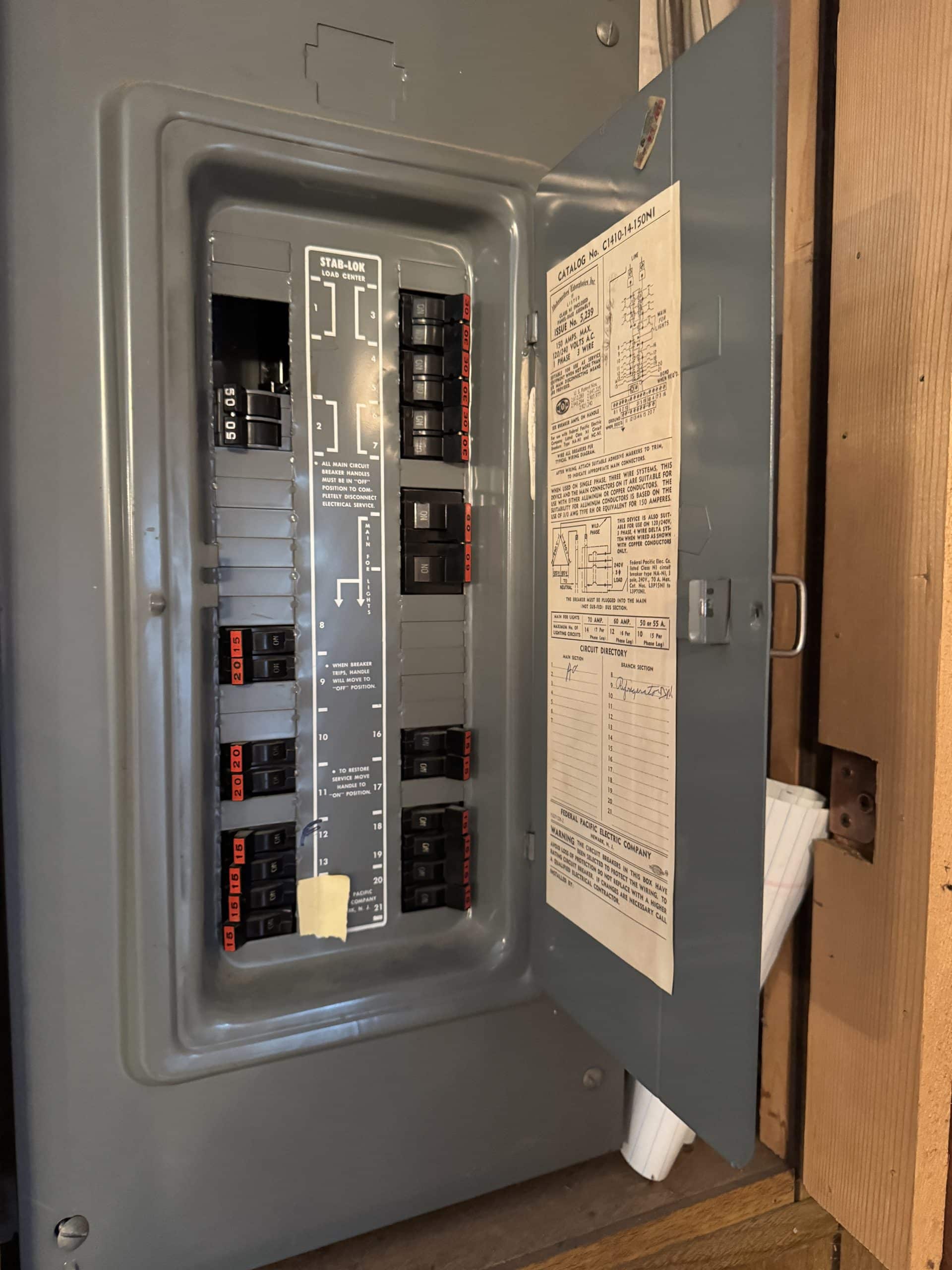
Other Electrical Panel Issues a Home Inspector May Find
The panel brand is only part of the story.
A home inspection may uncover other electrical concerns, including:
- Double-tapped breakers
- Improperly sized breakers
- Missing panel covers or openings
- Corrosion or moisture
- Evidence of overheating
- Improper grounding or bonding
- Unlabeled circuits
- Amateur modifications
- Older wiring entering the panel
- Lack of available breaker spaces
- Electrical work that may not have been properly permitted or inspected
Some issues can be relatively straightforward to correct. Others may justify a more comprehensive evaluation of the home’s electrical system.
The important thing is not to assume that every electrical finding requires a complete panel replacement—or that a panel is fine simply because everything in the house currently turns on.
Don’t Forget About Homeowners Insurance
This is one area buyers sometimes don’t think about until late in the transaction.
The type and condition of an electrical panel can potentially affect homeowners insurance underwriting. Some insurers may have restrictions or additional requirements involving certain older electrical systems or panel types.
If your inspection identifies an unusual or older panel, it’s a good idea to send that information to your insurance agent before closing.
Finding out early gives you more time to understand whether the panel will affect coverage and whether repairs or replacement may be required.
Should You Replace an Electrical Panel Before Buying or Selling?
Not necessarily.
The right answer depends on the panel, its condition, the home’s electrical system, and what a qualified electrician finds.
For a buyer, an inspection finding might lead to further evaluation, a repair request, negotiation, or simply budgeting for a future upgrade.
For a seller, having an older or problematic panel evaluated before listing can sometimes prevent a surprise after the buyer’s inspection.
Every property and transaction is different, so the goal isn’t to panic when an electrical issue appears. It’s to gather enough information to make an informed decision.
Electrical Work and Permits in Nebraska
Electrical work isn’t an area where I recommend guessing.
Nebraska regulates electrical installations through the State Electrical Division, and electrical work may require permitting and inspection depending on the work and jurisdiction. Nebraska currently uses the 2023 National Electrical Code as its minimum electrical standard.
Local jurisdictions may also administer electrical inspections, so requirements can vary depending on where the property is located.
If you’re considering replacing a panel or making significant electrical improvements, verify the applicable permit requirements and use a properly qualified electrical professional.
Frequently Asked Questions About Electrical Panels in Omaha Homes
Should I buy a house with a Federal Pacific electrical panel?
Finding a Federal Pacific panel doesn’t necessarily mean you should walk away from a home. It does mean you should understand exactly what you’re buying. Have a qualified electrician identify and evaluate the panel, discuss potential replacement, and check with your homeowners insurance provider before closing.
Does an old electrical panel need to be replaced?
Not necessarily. Age alone doesn’t determine whether an electrical panel needs replacement. The panel’s brand, condition, available capacity, compatibility of its breakers, previous modifications, and the overall electrical system should all be considered. An electrician can help determine whether replacement is recommended.
Is a 100-amp electrical panel enough for a house?
It can be. A 100-amp service may adequately serve some homes, while others may require additional capacity because of their size and electrical demands. Electric heating, ranges, dryers, hot tubs, workshops, EV chargers, and other equipment can all affect demand. An electrician can perform a load calculation to determine whether the existing service is adequate.
Do I need 200-amp service to install an EV charger?
Not necessarily. Having 200-amp service can provide more available capacity, but a home with 100-amp service may still be able to accommodate an EV charger depending on its existing electrical load and the charging equipment being installed. An electrician can evaluate the available capacity and determine whether a service upgrade or load-management solution is needed.
Are two-prong outlets a problem when buying an older home?
Two-prong outlets commonly indicate older wiring that doesn’t include an equipment grounding conductor. That doesn’t automatically mean the home needs to be completely rewired, but the electrical system should be evaluated. In some situations, GFCI protection can be used with an ungrounded circuit when installed and labeled correctly, although it does not create an actual equipment ground.
Does a three-prong outlet mean the house is grounded?
No. A three-prong receptacle can sometimes be installed on an older circuit that doesn’t have an equipment grounding conductor. This is one reason electrical testing during a home inspection can be valuable. If ungrounded three-prong outlets are discovered, an electrician can determine how the circuit is actually wired.
Does replacing an electrical panel mean the house has been rewired?
No. A newer electrical panel doesn’t necessarily mean the wiring throughout the house was replaced. An older Omaha home can have a modern panel while still containing older wiring in other areas. This is especially important when evaluating remodeled homes where electrical improvements may have been completed at different times.
Can an old electrical panel affect homeowners insurance?
Potentially. Insurance companies establish their own underwriting requirements, and certain older panels, wiring types, or electrical conditions may affect eligibility or require additional information or improvements. If an inspection identifies an older or unusual electrical system, contact your insurance provider before closing rather than assuming coverage won’t be an issue.
How much does it cost to replace an electrical panel in Omaha?
The cost can vary significantly depending on the existing system, amperage, panel location, service equipment, utility requirements, permits, and whether additional electrical work is necessary. Rather than relying on a national average, buyers should get an estimate from a qualified local electrician when a potential panel replacement is identified during the inspection.
Who should inspect an electrical panel before I buy a house?
A general home inspector will typically inspect visible components of the electrical system as part of the home inspection and may identify conditions that deserve further evaluation. If concerns are discovered—particularly with an older panel, older wiring, grounding, overheating, or questionable modifications—a qualified electrician can provide a more specialized evaluation.
Buying an Older Home in Omaha? Look at the Whole Picture
One of the things I enjoy about Omaha real estate is the variety of homes available. You can find everything from century-old houses in established neighborhoods to brand-new construction in growing communities.
Older homes can have incredible character, but they can also come with systems that deserve a little extra investigation.
Electrical panels, sewer lines, roofs, radon, foundations, and other major systems shouldn’t necessarily scare you away from a house. They should help you understand what you’re buying.
When I’m helping buyers—especially those purchasing from out of state or PCSing to Offutt AFB—my goal is to help identify these questions early so we can get the right professionals involved and avoid unnecessary surprises.
If you’re buying a home in Omaha or near Offutt AFB and want an agent who understands the details that can come with both older and newer homes in our area, reach out. I’m happy to help you navigate the process from the first showing through closing.